A Turning Point for the Ocean: BBNJ Agreement Entered into Force
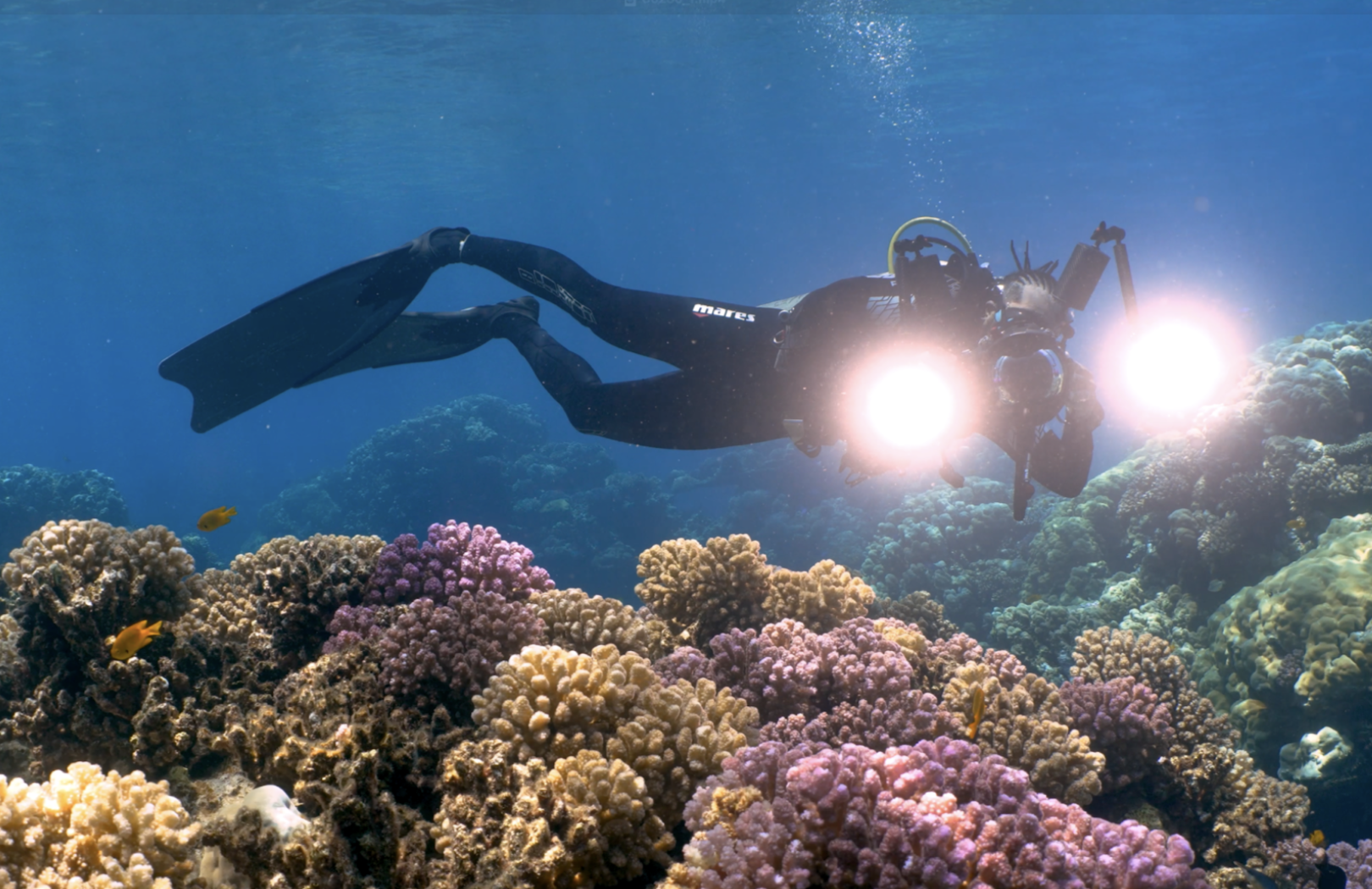

The Moment the High Seas Finally Matter
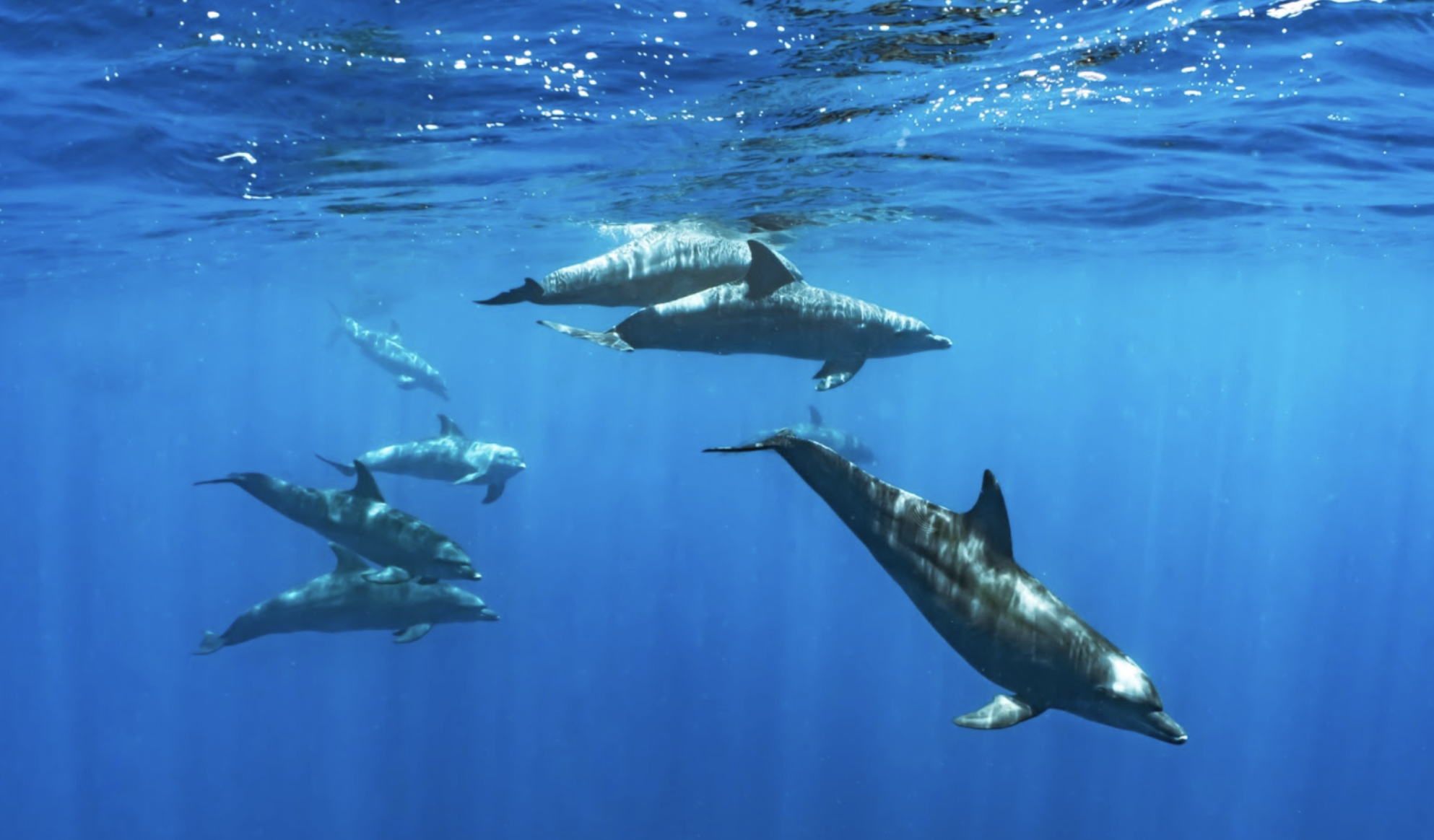
For decades, nearly half of the planet’s surface — the high seas — existed in a legal blind spot. These waters, beyond national borders, host some of the richest and most fragile ecosystems on Earth, yet they remained largely unprotected and poorly governed.
That changed with the approval and entry into force of the BBNJ Agreement (Biodiversity Beyond National Jurisdiction), adopted under the umbrella of the United Nations. For the first time in history, countries have agreed on a legally binding framework to protect marine life in areas beyond national jurisdiction.
This is not just another international treaty. It represents a shift in how humanity understands responsibility for the ocean — recognizing that what happens far from shore directly affects coastal communities, global food systems, and climate stability.
Why This Is Historic for Ocean Conservation
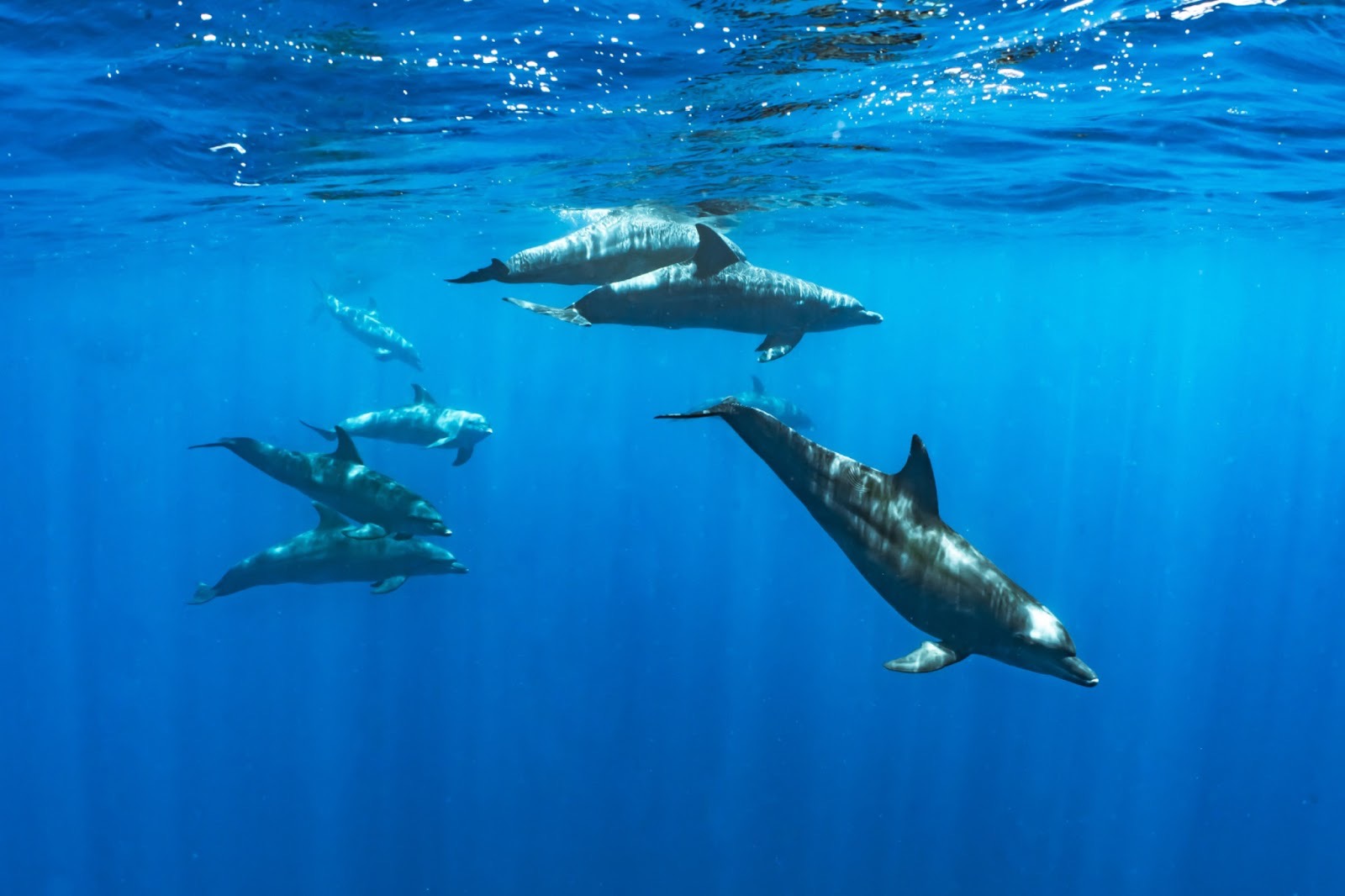
The BBNJ Agreement addresses one of the most critical gaps in ocean governance. Until now, the high seas operated with fragmented oversight, allowing activities to expand faster than conservation measures.
With this agreement, conservation becomes coordinated and preventive rather than reactive. It enables the creation of marine protected areas in international waters, requires environmental impact assessments for planned activities, and introduces clearer rules for accessing and sharing benefits from marine genetic resources. Together, these pillars move ocean protection from voluntary commitments toward collective responsibility.
The Good News: Cooperation Is Still Possible
In a period marked by geopolitical tension and fragmented global governance, the approval of the BBNJ Agreement offers a rare and encouraging signal. Countries with very different economic interests and political systems reached consensus on the idea that the high seas are a shared heritage that requires shared rules.
This is a positive tipping point for ocean governance. The same global systems that once allowed unchecked exploitation can now be used to accelerate conservation, scientific cooperation, and long-term stewardship. The agreement demonstrates that collective action is still achievable when the risks of inaction are clearly understood.
Why These News Must Be Amplified — Everywhere
Despite its significance, the BBNJ Agreement risks remaining “invisible” to the wider public. The high seas are distant and abstract for most people, and what is out of sight is often out of mind.
This is why the approval of the agreement should not remain confined to diplomatic statements or policy briefs. Public understanding is essential for implementation. When people recognize that the high seas influence climate regulation, food security, and economic stability, support for protection grows.
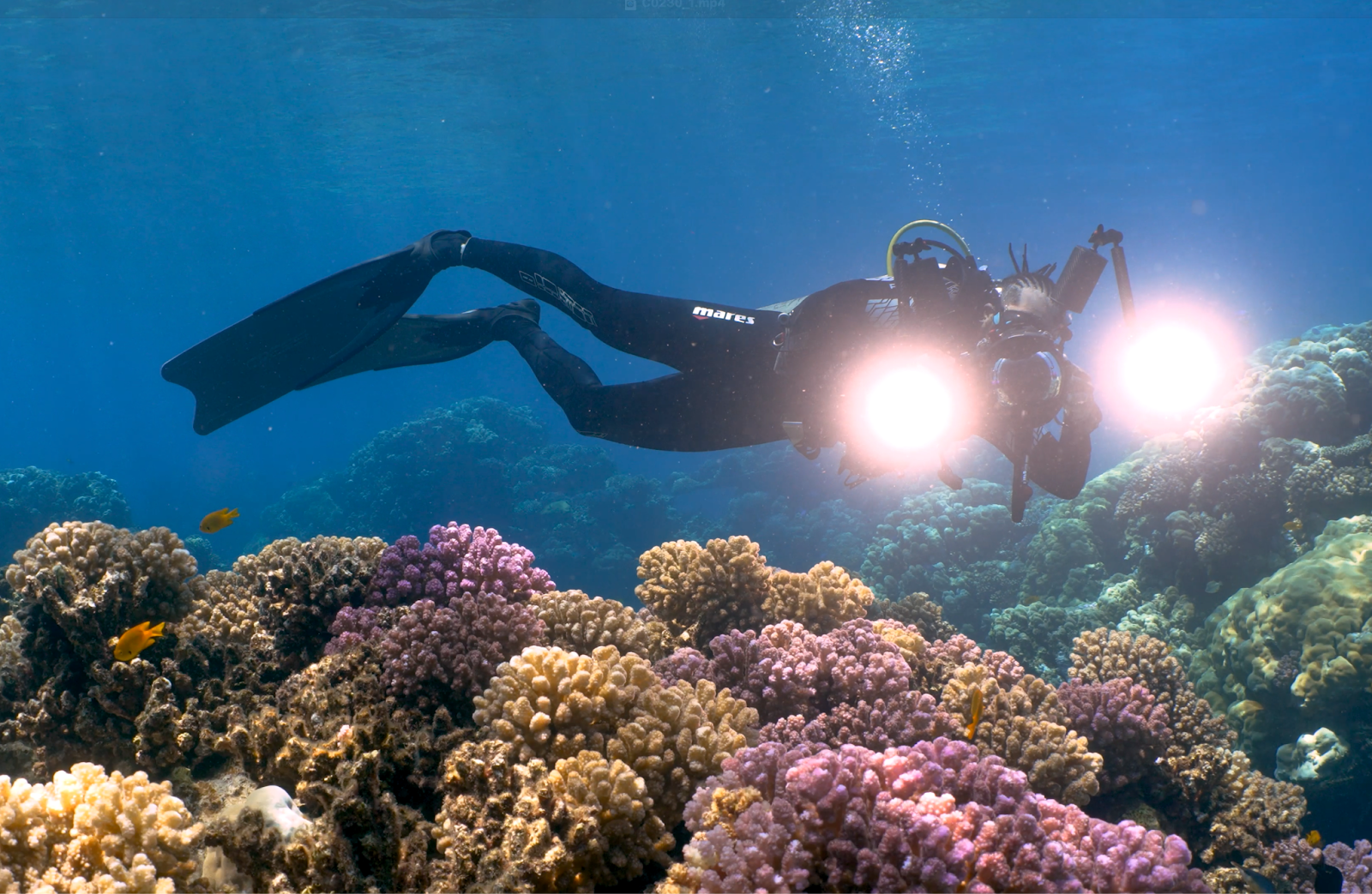
Audiovisual storytelling is uniquely positioned to bridge this gap. Film and visual media can make remote ocean spaces visible, translate legal language into human narratives, and connect global decisions to everyday life. Awareness, when widely shared, becomes social and political pressure — and that pressure helps turn agreements into action.
Audiovisual Storytelling as an Engine of Making and Amplifying Impact
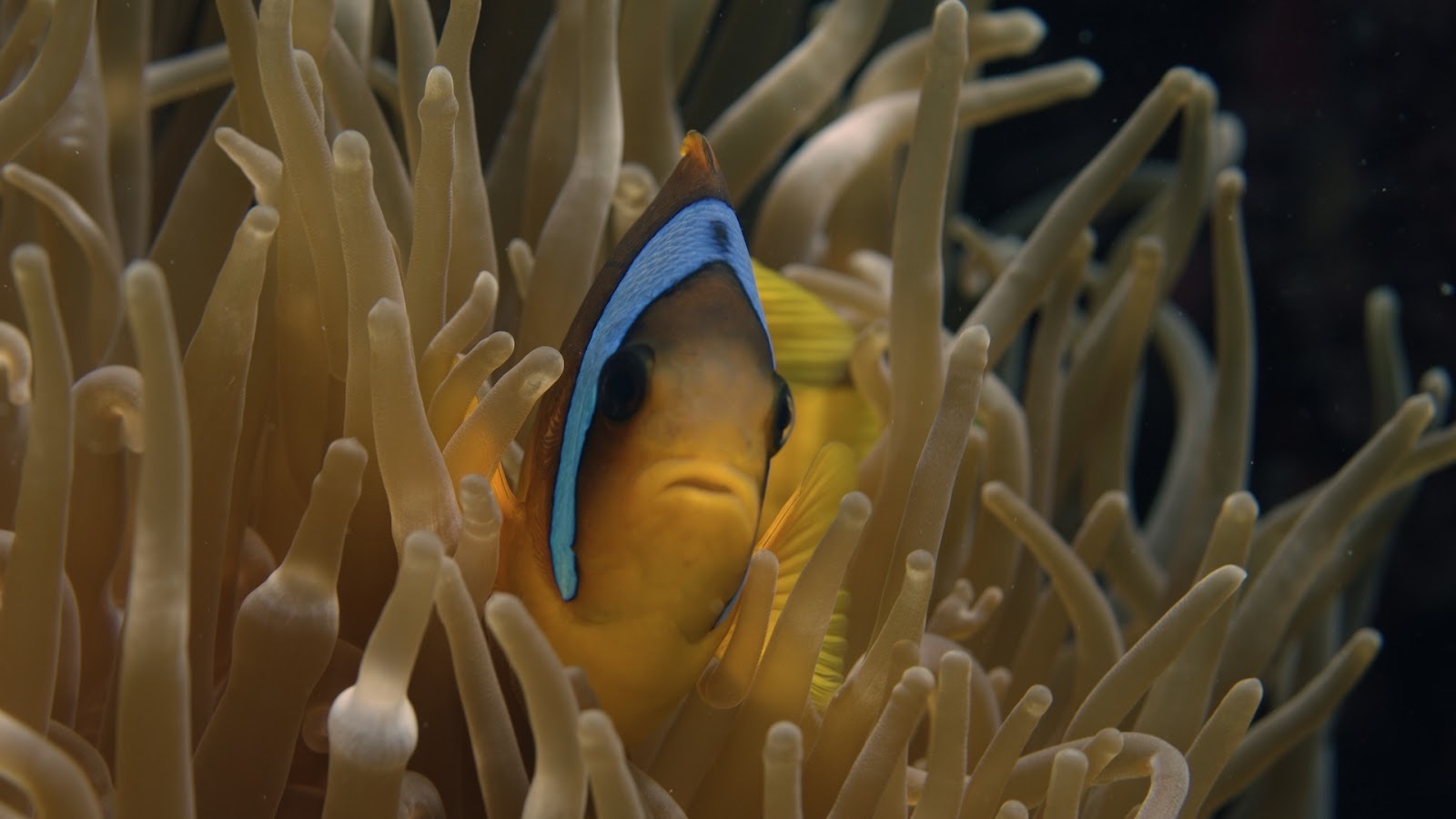
For impact-driven storytelling, the BBNJ Agreement is more than a legal milestone; it is a narrative opportunity to amplify impact. Through carefully crafted audiovisual content, complex governance frameworks can be translated into stories about ecosystems, species, and people working to protect them.
Strong storytelling can explain what the agreement actually changes, reveal the ecosystems now within reach of protection, and follow the scientists, policymakers, and communities involved in making it real.
Why Brands Have a Role — and a Responsibility
Brands that choose to engage with this moment are not aligning with a trend, but with a long-term vision for planetary stewardship. Supporting the amplification of the BBNJ Agreement and all the benefits coming out of its implementation allows brands to contribute to global environmental literacy while positioning themselves as responsible actors in a shared future.
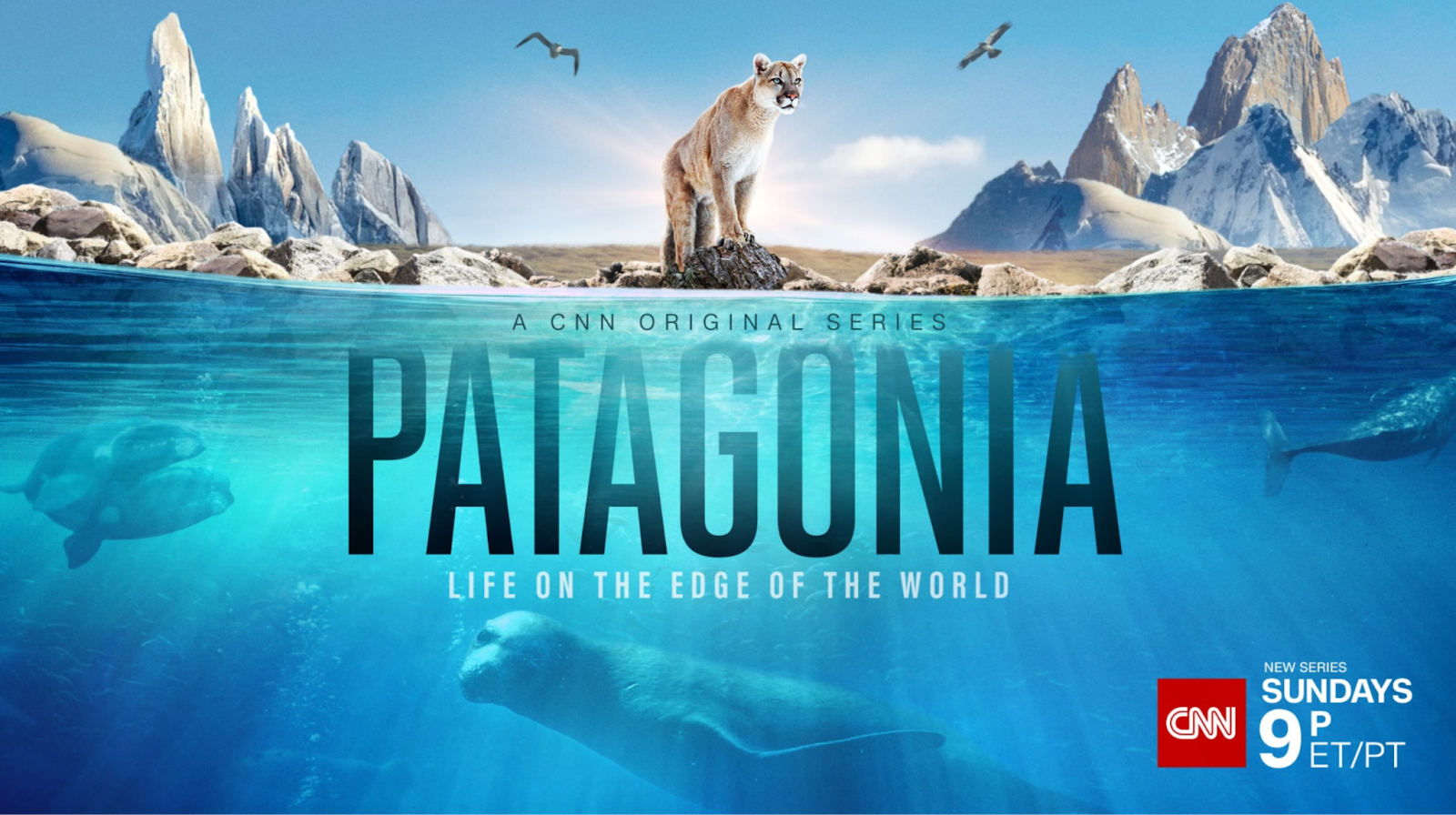
By backing credible, evidence-based audiovisual projects, brands can help ensure this historic step reaches audiences beyond traditional environmental circles. In doing so, they build trust and reputation through action, not messaging alone — showing that commercial success and environmental responsibility can move in the same direction.
From Agreement to Action
The approval of the BBNJ Agreement is a milestone, but its impact will be measured by what follows. Implementation will depend on continued attention, public understanding, and sustained political will.
This is where communication becomes a tool of resilience. Clear, human, and accurate storytelling transforms international law into collective purpose.
At Bravo Impact, we believe that stories do not simply document change — yes, it is important to document and amplify, but they cal also help make it possible. The high seas have finally entered the global conversation. Ensuring that this historic agreement leads to real protection now depends on how widely, clearly, and responsibly its story is told.