Tipping Points: Why Communication Is Key to Planetary Resilience



The Moment That Defines a Century
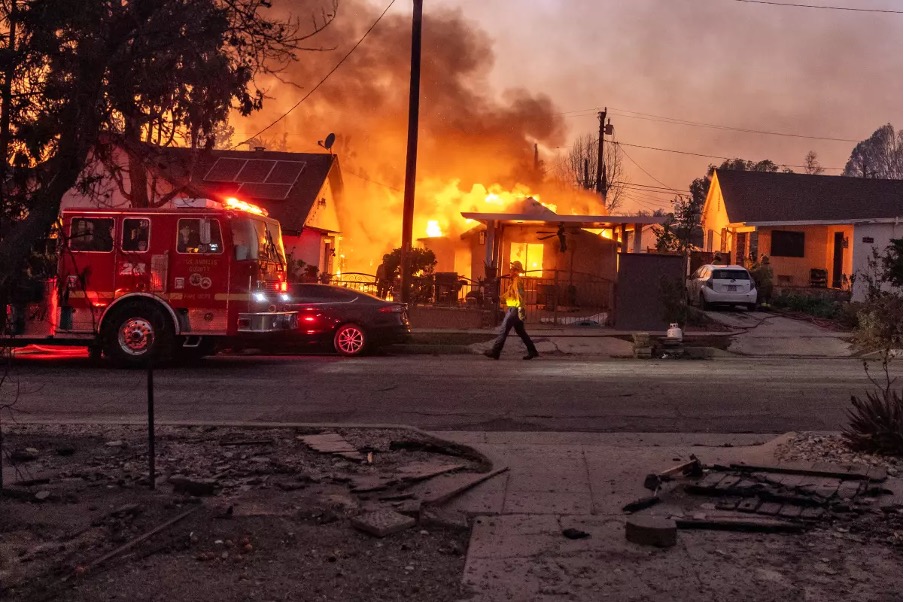
According to the Global Tipping Points Report 2025, humanity has entered a decisive stage. The systems that regulate life on Earth – from forests and oceans to ice sheets and coral reefs – are approaching thresholds that could trigger irreversible change.
These are the “tipping points”: moments when a small shift leads to a lasting transformation, pushing natural systems toward collapse or, with the right action, toward recovery.
The report shows both danger and opportunity. While certain ecosystems are destabilizing faster than expected, others are revealing the potential for what scientists call positive tipping points – with transitions toward renewable energy, restoration, and sustainable behavior.
What we choose to do in the next decade will determine which way the balance tips.
Understanding the Science – and Making It Visible
For decades, researchers have mapped how climate feedbacks work: how deforestation weakens rainfall cycles, how melting ice amplifies warming, and how pollution disrupts the chemistry of the oceans.
This knowledge is powerful – but without clear communication, it remains distant from public understanding and decision-making.
The Global Tipping Points team emphasizes that science and data alone cannot shift behavior; people act when they understand what’s at stake and see pathways forward. Translating complex findings into accessible narratives is not a matter of style – it’s a matter of strategy.
That is where storytelling plays a vital role. Not to simplify science, but to connect it to meaning. To show that these global thresholds are not abstract – they are connected to our food, our homes, our economies, and our sense of future.
The Role of Storytelling in Systemic Change
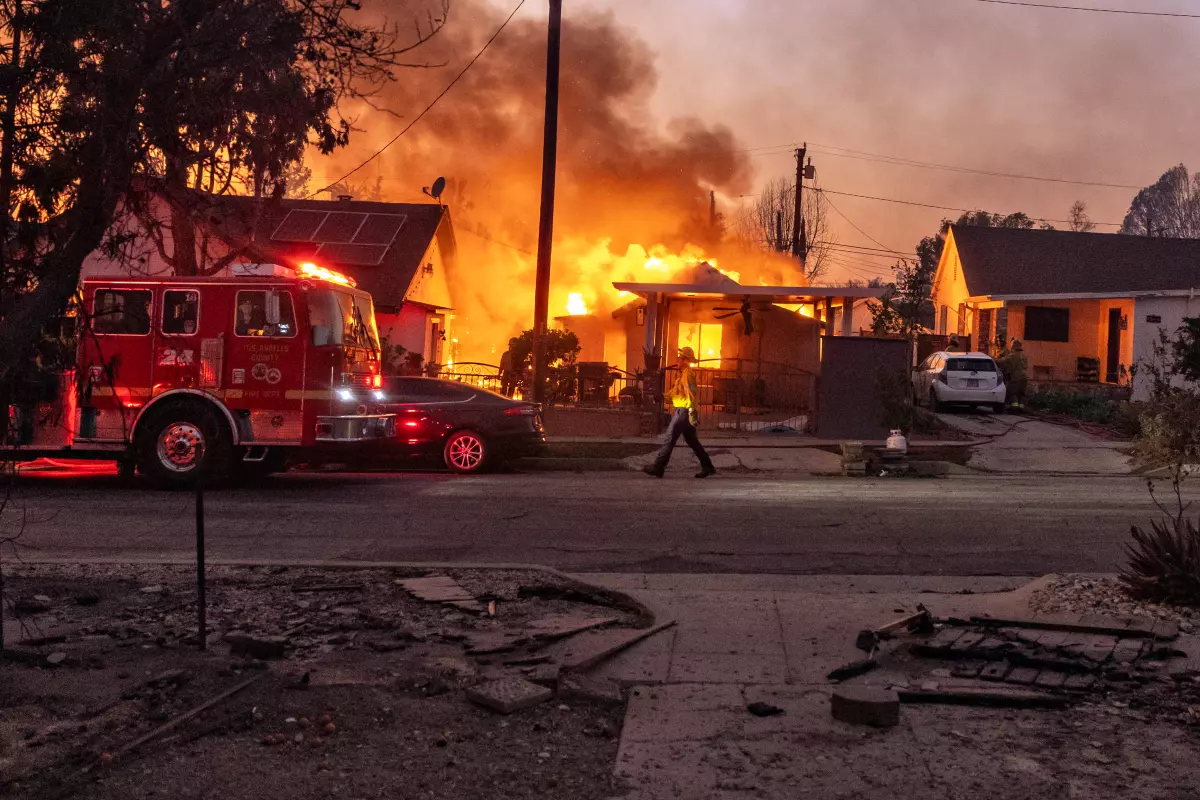
When we talk about “communication,” we’re not referring to slogans or campaigns. We’re talking about narrative as infrastructure – a way of organizing collective understanding.
Film, journalism, and creative media can make planetary processes visible, helping society grasp the urgency of action in a way data alone cannot achieve.
When done with accuracy and respect for evidence, storytelling turns information into awareness and awareness into coordination. It helps people and institutions recognize their position in a global system of cause and effect.
This is how positive tipping points begin: with shared understanding.
Stories that show what works – the recovery of mangroves, the adoption of renewable energy in vulnerable regions, or communities rebuilding degraded land – make transition feel tangible. They remind us that repair is possible, and that progress is not just technological, but cultural.

From Warning to Direction
The Global Tipping Points Report is not a collection of forecasts – it is a framework for decision. It shows that the same mechanisms capable of collapse can also accelerate regeneration if triggered in time.
That means that communication, when aligned with science, becomes a tool of resilience.
At Bravo Impact, we see this as part of our mission: to transform scientific understanding and data into stories that strengthen public will and institutional responsibility.
A well-told story doesn’t just raise awareness – it coordinates action across sectors, connects local experience to global evidence, and reminds audiences that change begins with clarity.

The Future We Choose to Tell
We are living at the edge of multiple tipping points – ecological, social, and moral. How we tell this story will define how we act.
If we treat science as distant or overly technical, the public disconnects. But if we tell it with accuracy, coherence, and humanity, it becomes a shared project – one that aligns facts with purpose and urgency with direction.
The question is no longer whether tipping points exist. It is whether our communication will help the world respond in time.
At Bravo Impact, we believe that the stories we tell today are instruments that shape it.
By Helena Villela