The Power of Audiovisual Storytelling: How Films and Stories Can Help Preserve the Planet
The Power of Audiovisual Storytelling: How Films and Stories Can Help Preserve the Planet
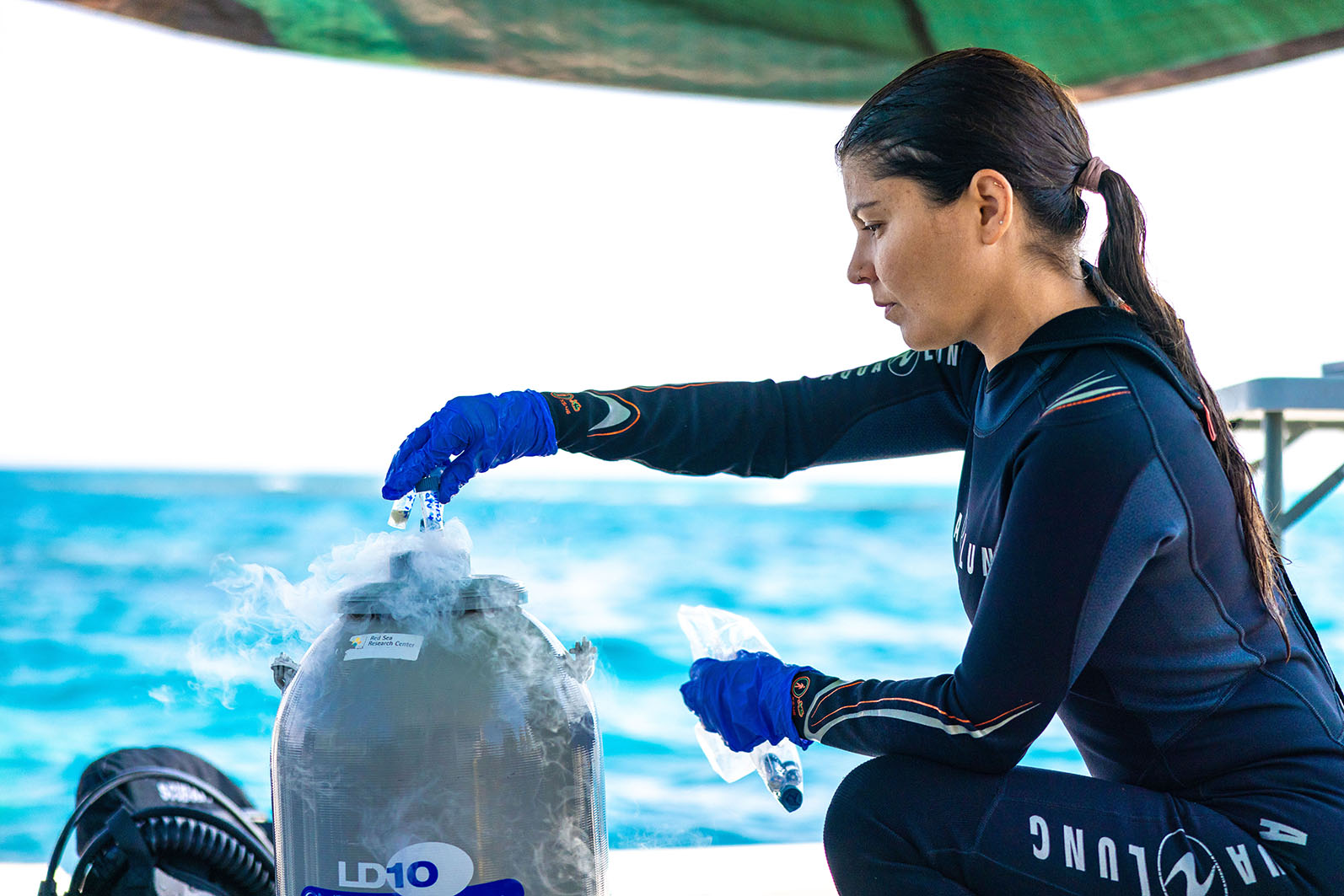
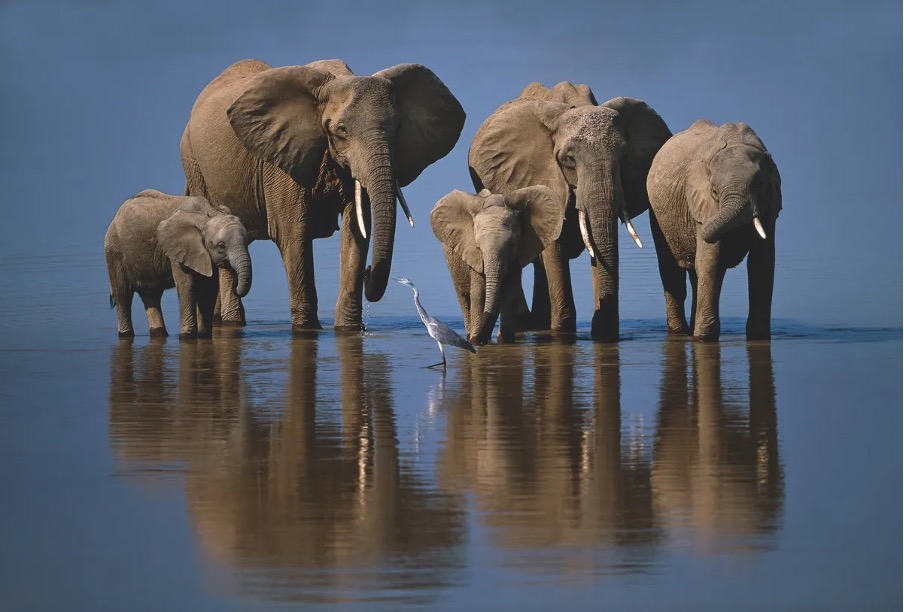
We live in an age of contradictions. While the planet faces unprecedented devastation – burning forests, rising seas, biodiversity loss – there are still those who refuse to give up. Across continents, individuals and communities devote their energy to preservation, regeneration and the search for balance.
Each act of care carries the potential to inspire others; each gesture of protection reminds us that change is still possible.
When such stories are captured through image, sound and narrative, their impact multiplies.This is the power of the audiovisual: to give form, rhythm and emotion to the collective effort of protecting the Earth and ourselves.
The Power of Image and Storytelling
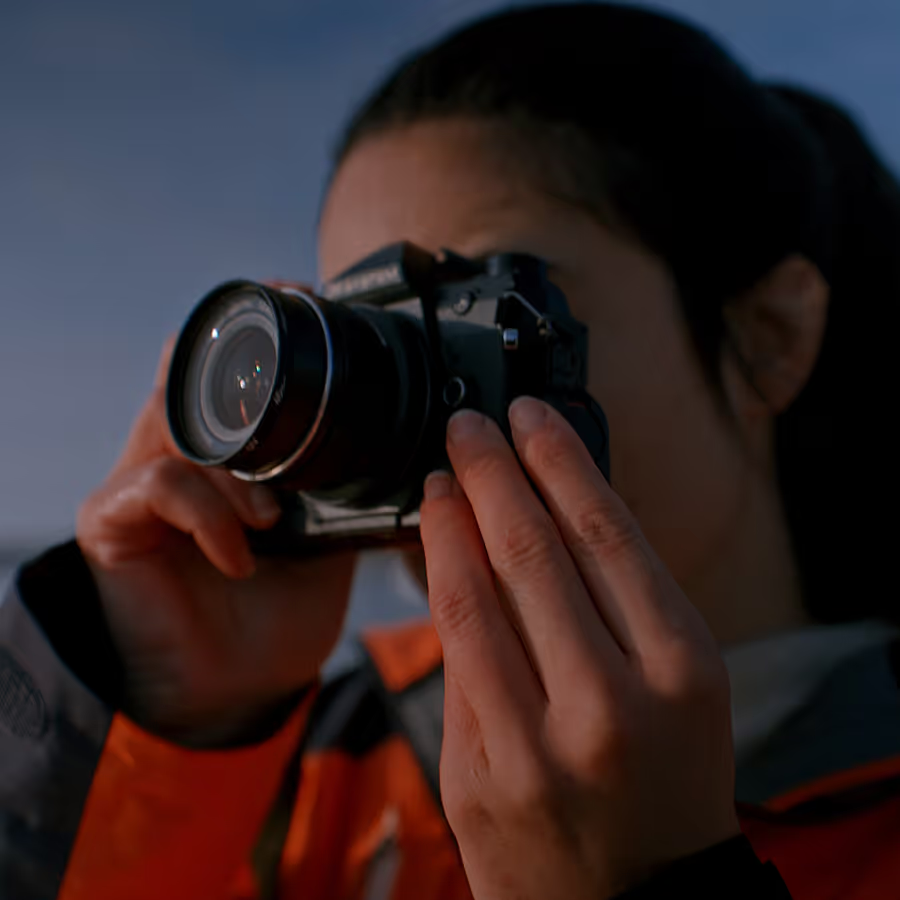
Images do more than record – they interpret. They organise the chaos of reality into something we can feel and remember.
A well-crafted film – whether a one-minute video or a feature-length documentary – reaches places data cannot. It turns information into connection, statistics into meaning.
Through light, movement and sound, we begin to understand not only what is happening to the planet, but what it means to us.
In an age saturated with content, depth has become rare. Yet the audiovisual remains one of the few languages capable of cutting through the noise.
Communicating to Preserve
The environmental crisis is not only what is actually happening – it is also a crisis of perception.
We see too much, yet understand too little.
When guided by evidence, art direction and ethical storytelling, the audiovisual becomes a tool for clarity. It connects fieldwork and data to the public imagination, bridging expertise and empathy. A single frame can translate years of research into a moment of recognition.
When films and stories reveal what is being done – and by whom – they transform isolated efforts into shared movements. Visibility becomes participation. Emotion turns into responsibility.
From Documentation to Transformation
The planet’s present and future depends as much on awareness as on action. And awareness begins with the act of seeing.
Telling stories about those who protect the planet is not idealism – it is another form of acting. Every image of care resists indifference. Every narrative of renewal expands our capacity for hope.
When treated with intelligence and integrity, the audiovisual goes beyond documenting reality – it renews our relationship with it. It reminds us that the Earth is not the backdrop to our lives, but the stage upon which every story begins.
For those who believe that to see is to care – and that every image can hold a fragment of the world still worth saving.
By Damaris Lago