Greenwashing: the Mistake that Damages Reputation and Compromises the Future



Greenwashing: the Mistake that Damages Reputation and Compromises the Future
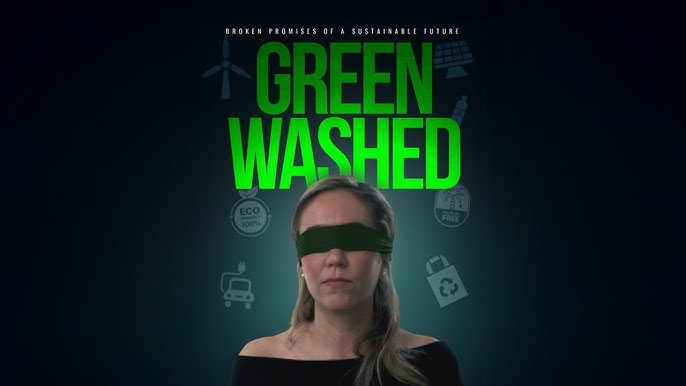
Working towards a transition to a sustainable world is no longer optional for companies and institutions. In today’s context, it has become mandatory, and a defining force reshaping how businesses position themselves, innovate, and interact with the planet. Yet, amid this transformation, a troubling pattern persists: greenwashing – the attempt to appear sustainable and socially responsible without genuinely being so.
More than a communication flaw, greenwashing is a strategic misjudgement. It corrodes credibility, erodes trust in brands, and exposes a dangerous disconnect between what a company says and what it truly does.
The cost of greenwashing in the corporate environment
Greenwashing happens when companies use environmental language as a marketing tool, instead of embedding real change into their operations, culture, and supply chains.
The result is a gap between what the company claims to be and what it truly is – a gap that, in today’s era transparency and accountability, can be fatal.
In a business world governed by ESG standards, and stakeholders expectations, coherence has become a strategic advantage. A company’s reputation – its most valuable intangible asset – takes decades to build but can collapse overnight.
Corporations that engage in greenwashing risk:
- Losing the trust of investors and key stakeholders;
- Weakening consumer loyalty;
- Alienating their own employees, who sense the inconsistency from within.
The reputational and financial cost caused by inauthentic sustainability claims far outweighs the investment needed to act with integrity. Real commitment to environmental and social goals isn’t just ethical – it’s essential for credibility and long-term success.
From appearance to essence: the new corporate paradigm
When a company begins to question its own exposure to greenwashing, it signals a level of maturity. This awareness marks the first step towards cultural transformation – when sustainability stops being a marketing narrative and becomes a core strategic driver.
It is a shift from communicating intentions to communicating evidence. From appearances to substance. From rhetoric to accountability. From convenience to coherence.
Such a transformation demands three elements:
- Awareness, to recognise the urgency;
- Methodology, to put chance into practice;
- Courage, to make it visible.
Authenticity is no longer optional – it is the foundation of corporate resilience in an age where trust defines value.
How Bravo Impact supports companies on this journey
At Bravo Impact, we believe that communication holds transformative power when it is rooted in truth. Our mission is to help organizations, institutions, and brands build sustainable narratives anchored in genuine practices – ensuring that every campaign, message, and positioning reflects substance, not performance.
Through strategic consultancy and transparent collaboration, we guide organizations towards a new level of coherence. We help brands design communication strategies that not only strengthen reputation, but also inspire internal culture and generate measurable impact – across their operations, value chains, and communities.
In this process, communication stops being a defensive tool and becomes a catalyst for transformation. It aligns what companies say with what they do – turning credibility into their greatest asset.
Authenticity is the new corporate intelligence
In an age of climate urgency, information overload, and public skepticism, authenticity and coherence have become the most valuable corporate currencies. Organizations that understand this principle will build enduring reputations, long-term trust, and meaningful legacies.
The rest will continue to exhaust their energy maintaining appearances – when they could simply embody the values they claim to defend.
Because in the world that is already unfolding, only the genuine will remain relevant.
By Damaris Lago